

DISCLAIMER: Contains MAJOR spoilers for Celeste.
Video game scoring functions differently from film or television scoring on the basis of the interactivity of the medium. Whereas film and television are fixed, passive experiences, video games are fully interactive, with a continuously active engagement from the player. This ultimately means that every time that it’s played, the game will be a different experience, even if just slightly.
Film and television greatly benefit from having scores that are effortlessly synced to every hit point that needs to be addressed by the filmmakers to create a satisfying dramatic flow in any given scene. With games, there is no realistic way to sync up a single piece of music to several, specific hit points throughout the gameplay moments. After all, the way that players may behave each time that they revisit the game will be different, therefore creating an infinite amount of variations for the timing of every single action in the game.
This doesn’t mean that there aren’t any ways for composers to tailor their scores towards the narrative and gameplay needs of the projects for which they were hired. Since the dawn of video game music, composers have been looking for ways to create seamless and satisfying experiences for players with their music. From these attempts, the basic rules for how a game score should function were born.
These rules have evolved with the passage of time and technological advancements which have allowed for game scores to be implemented with much deeper levels of complexity into their games. For this first post, we’ll be taking a closer look at a score that effortlessly bridges the gap between the old rules and the new, paying respect to what came before while improving upon the established. A score that, with such seemingly simple and basic techniques in its approach to scoring, creates a deeply emotional experience and a satisfying journey through a girl’s fractured psyche (and up a mountain). Let’s take a look at Celeste.
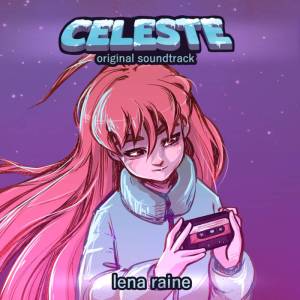
Released in 2018 by Matt Makes Games (now Extremely OK Games), Celeste is a fast-paced platforming game featuring a prologue, seven main-story chapters, an epilogue and one DLC. Within them, it features roughly a thousand rooms to traverse. The game is simple from a mechanics standpoint— you can only jump, dash and climb, and these three tools are the only ones meant to carry you to the end (plus a few surprises on top of them). What the game does with these mechanics, however, is far more sophisticated, as they squeeze every ounce of variation to create challenging environments for the player to traverse. The game is difficult in nature and rewards being precise, persistent and having quick reflexes.
The game tells the story of Madeline, a young woman —whose name you can change, should you want to do so— seeking to climb to the top of a fictional version of Mount Celeste. It grapples with themes of identity, self-destruction, depression, anxiety and self-worth as her journey to the top makes her confront her inner demons.

Celeste was scored by then-relatively newcomer Lena Raine, who came on board after her music caught the attention of Maddy Thorson, director, lead designer and writer for the game. She has since come to enjoy widespread recognition for her efforts on the platformer. Very deserving, in my opinion, as her work on this game is nothing short of masterful.
Just like the game itself, the score is a deliberate throwback to old platformers made for Nintendo systems during the 80s and 90s, which were full of the now-traditional chiptunes and 8/16-bit soundscapes. Raine takes advantage of these sounds, as well as the methods under which the games that inspired her and the team were scored, to serve as a jumping point for the music, and then provide a modern twist to the score and infuse it with a sense of freshness and youth and, above all, acute dramatic intent.
The Sound
As I’ve previously mentioned, games from the 80s and 90s had a very distinctive sound. The primary reason for this were technological limitations. The hardware available at the time made it impossible to store any files of significant size, which meant that games developed during this time had a limited color palette, rudimentary mechanics, fixed number of pixels available to generate images, and a punishing limitation for music, barely being able to generate anything more than four simultaneous layers of voices, which were rendered as primitive synthesized sounds by the sound chip built into the consoles— hence the term chiptune.
Having to work within these restrictions, there was no other solution for composers but to get creative. All the tools they had at their disposal to convey everything they needed to say with the music were four layers of waveforms that were going to be translated into rough synth sounds. It’s no wonder then that some of the most melodically-strong music written for games was written during this time. Without being able to manipulate sound, melody and rhythm became kings for them.
As technology evolved and improved, composers were able to implement more sophisticated synthesized sounds into their scores, gradually being able to mimic acoustic instruments, all leading up to the time when they were finally able to implement the real thing. Decades later, there are no limits to the way that a video game score can sound. Analog synths, low and high-end samples, acoustic and electric instruments… the tools are all there now. And with that, the musical rules of video game scoring have grown as far and wide as they have for film and television.
Celeste, being the product of an industry with over forty years of experience and evolution, draws from many sources to craft its own sound. At its melodic core, Raine keeps the chiptune sound, particularly for Madeline’s theme (heard extensively on the album during First Steps and in many tracks throughout) and embellishes that core with other synths and a mix of sampled and live instruments.
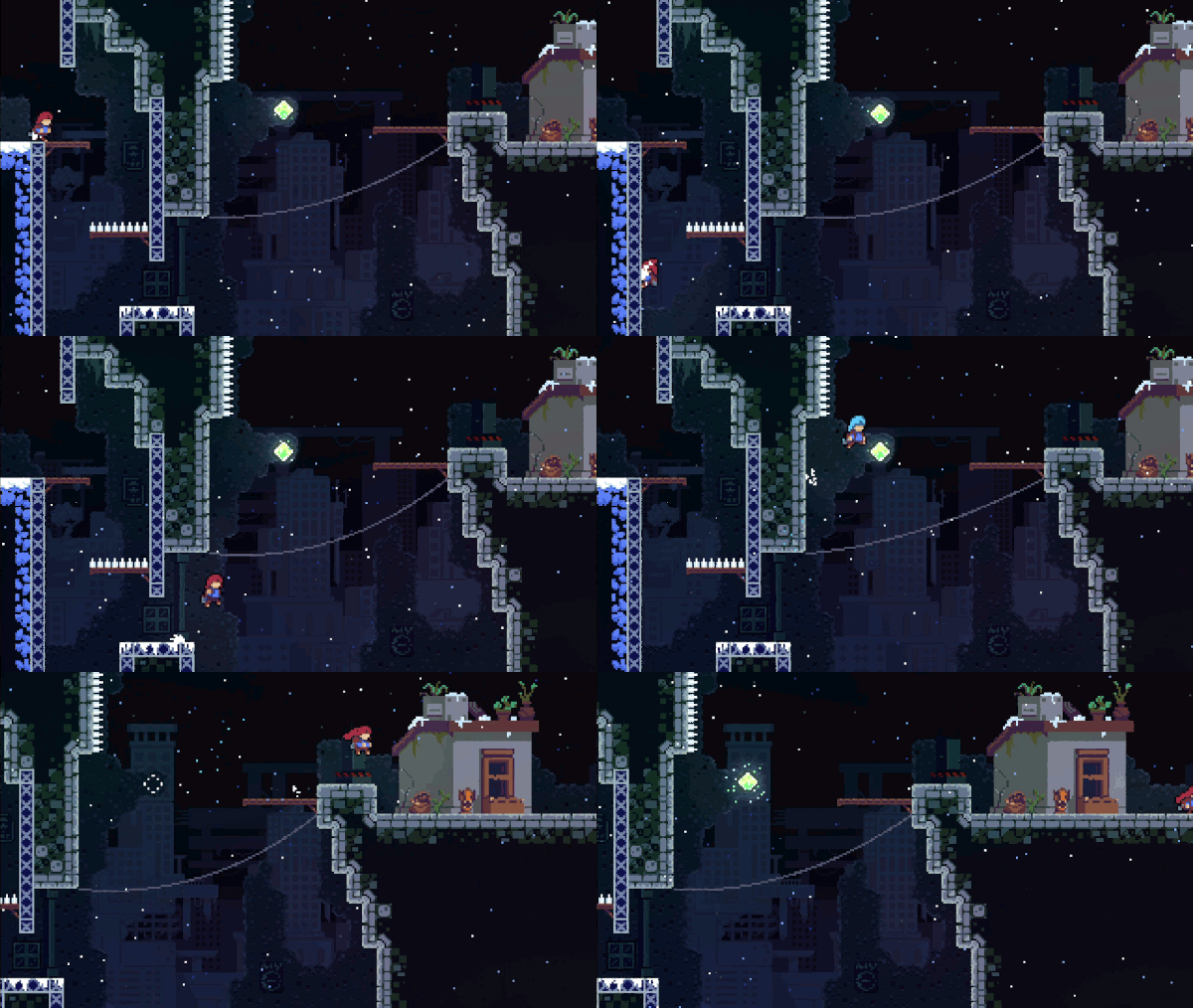
Listen to that score for the first chapter in the game, “Forsaken City” (as heard on the album’s First Steps), as Raine combines arpeggiated runs of sampled piano, various synths doubling it and running counterpoint, a sampled drum line and Madeline’s theme in the traditional chip music sound.
Some time after that, a dialogue sequence near the end of the second chapter, “Old Site,” between Madeline and Theo, a supporting character, features a live guitar performance accentuated by a statement of Madeline’s theme on piano and the smallest hint of an 8-bit synth (as heard on the album’s Madeline and Theo).

And this diversity in sound has a purpose within the game, as Raine takes advantage of that to give each chapter of the game its own distinctive instrumental flavor, to better tailor the music to each portion of the game. That’s why the music for “Forsaken City” features rapid arpeggiated runs on piano and synths, “Old Site” has slower, arpeggiated synth figures embellished in echoing effects, the third chapter “Celestial Resort” prominently uses a high-pitched synth, an R&B rhythm and theremin, and so on. As you progress through the chapters, the instrumentation of the score grows sparser and more anguished, going even into downright horror territory, as the sounds of the score are very much a reflection of Madeline’s state of mind during her journey. This mindfulness in the crafting of the score’s soundscape pays off spectacularly during the seventh chapter of the game, but more on that later.
The eclectic combination of sounds allows Raine to craft a distinctive soundscape for the game and gives her the possibility to address the intimacy of the character moments in the game with sophistication and earnest emotion. All while still honoring the roots and inspirations for both the game and Raine herself.
The Storytelling
Because melody and rhythm were kings for composers writing for videogames during its first few decades, video game scores were born being deeply thematic. Hundreds of melodies were written for characters, places, relationships and even objects or abstract concepts.
How these melodies functioned was highly dependent on the approach that the composer was taking for scoring the game. A general rule of thumb I use for figuring this out is that, the heavier the emphasis a game has on story, the more traditional a narrative the score will tell because, ultimately, the score’s main role is to support what the game is already presenting. Don’t quote me on this, though, because that statement doesn’t track 1:1 to every video game in existence.
Older games, particularly those of the Nintendo brand, featured extremely simple stories with archetypal characters, which meant that there wasn’t a lot of room for the score to tell a sophisticated musical narrative.
What this meant for the music is that, while game scores were highly melodic from the start, not many of the melodies featured functioned as what we traditionally understand as a theme, which are designed to support and develop with a specific construct (a character, a place, a relationship) of the narrative. This is because many of those melodies were highly localized to a specific place in the game and were never heard from again.
It used to be that the way to score a game was to provide a track for every level that the game had, and then such track would be programmed to loop for as long as the player would stay on that level, being interrupted only by a stinger every time the player either died or completed the level (more on that in the next section). This meant that the general approach for scoring a game was from a geographical standpoint, as the score only commented on the literal, physical place that the character was, not their emotional state or the development of their own dramatic arc, if there was any at all.
However, with the passing of years, developers started experimenting with detailed and emotionally deep narratives, leading to such accomplishments as the Chrono, Final Fantasy and The Legend of Zelda series of games, or individual titles like EarthBound and Secret of Mana. With those advances in video game narrative, composers like Nobuo Uematsu, Hirokazu Tanaka, Hiroki Kikuta, and Yasunori Mitsuda were able to provide a sophisticated level of narrative and emotional depth to their scores.
One of the main developments during these years was that characters started to get actual themes of their own, but because the tools didn’t exist yet for scores to be heavily interactive or manipulated by the game’s audio engine the way that it happens today, composers were left with composing several cues based around the same theme for them to be used in different settings throughout the game under the same principle— to loop for as long as the player could stay on that specific section.
Such is the approach that Celeste takes to themes, which features many different melodies for its numerous chapters of gameplay, but only two of these serve as proper themes and are meant to be the emotional core of the narrative.
The first of these themes represents Madeline (introduced in earnest in First Steps) and is the melody that recurs most prominently throughout the game, like in that first chapter, during Madeline and Theo’s conversation near the end of the second chapter, during Madeline’s panic attack at the end of the fourth chapter —which in and of itself is a masterclass of video game scoring and definitely merits its own article— or during her triumphant climb to the top of Mount Celeste on the seventh chapter.
The second melody is born out of Madeline’s theme much like the character which it represents: Part of Me (nicknamed Badeline by the fan community). Part of Me is a fragment of Madeline’s identity which carries her most negative character traits. As such her theme is a deliberately truncated version of Madeline’s theme that bends in sinister and tragic variations as the narrative demands. Her theme debuts on distorted 8-bit synths halfway through chapter two in a conversation cutscene, and then becomes the primary force behind the music of the subsequent chase (listen to the second half of Resurrections on the album). It’s interesting to note the echo effect trailing her theme during that chase cue, much like Part of Me mirrors Madeline’s exact movements while pursuing her.
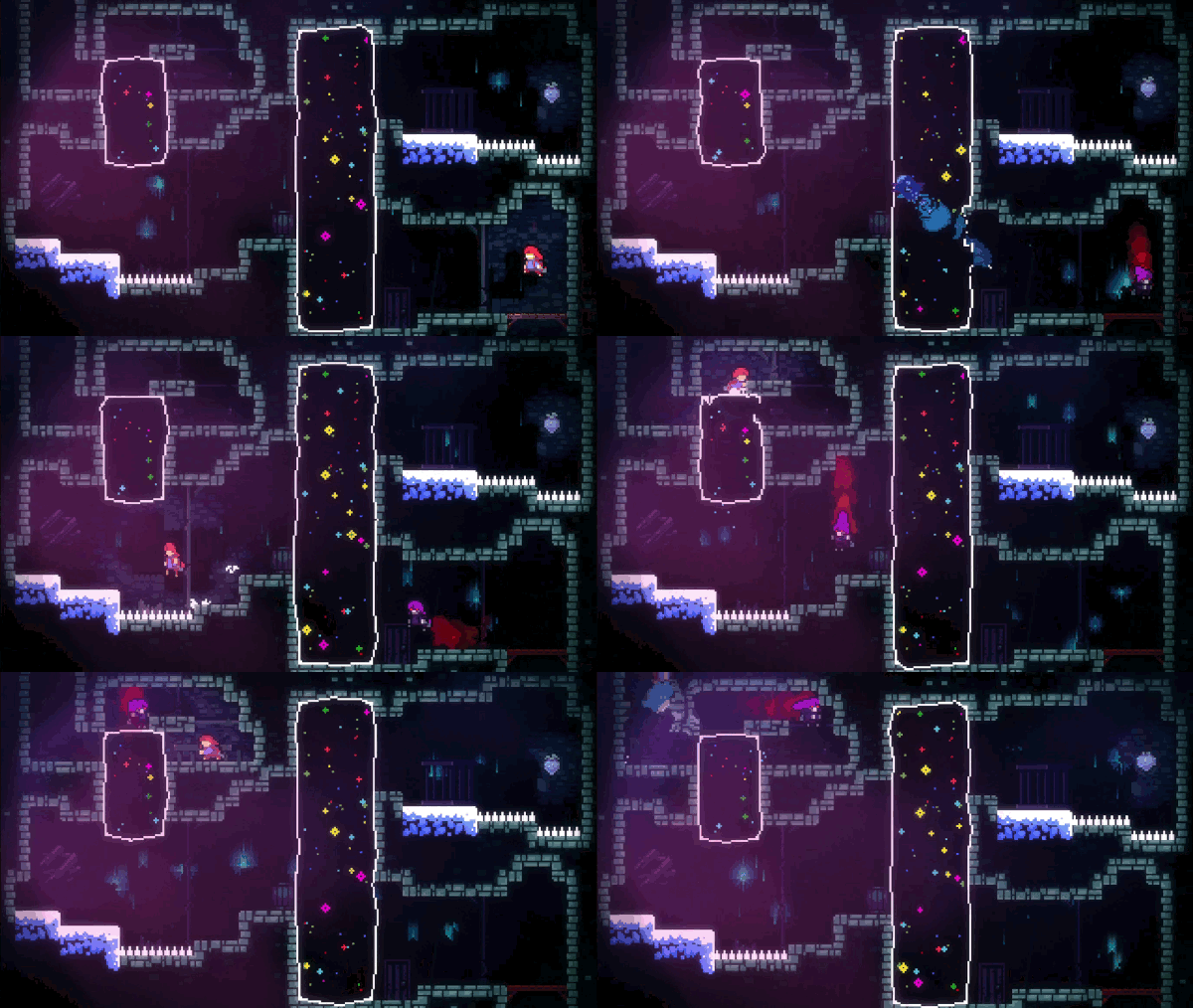
The score, instead of approaching the game geographically —which it still does a fair bit of that, and it’s part of the reason why the final climb to the summit is as satisfying as it is— approaches it from a character perspective. Much like the sounds used to perform it, the music itself is always supposed to be coming back to Madeline’s state of mind, because this is her journey we’re following, through the ruins, through the hotel, through the temple, all the way up top.
The music is always there to help us understand her emotions, her insecurities, her crisis, giving us an immediate insight that neither the visuals nor the mechanics can. And ultimately, this approach is nothing if not a reflection of the rest of the team’s philosophy in developing the game, because the gameplay itself is nothing more than an extension of the story being told. Gameplay, graphics, sound and story are one.
The Implementation
The argument could be made that music is a big part of the experience of playing a game, particularly when the game features very little or no spoken dialogue. The argument could be made even further that the way that the audio team implements that music into the game is just as important as the quality of the music itself.
A renowned game composer once said that writing and recording a great score is only half the job, implementing it into the game is the other half. After all, music isn’t meant to exist to just be pretty, staying in the background as it plays with no regard for the actions of the player or the developments of the narrative. Music is meant to accentuate and address many of the events of the game— whether influenced by players, narrative, or both. And because, as I’ve said, video games aren’t a fixed picture, the implementation of their music is a tricky thing to achieve.
It’s precisely this part of the process of game scoring that is often overlooked amongst the score reviewing community, and even in proper game journalism. And while this void has since been started to be filled up by YouTube essayists, there’s not nearly enough coverage about this subject as I believe it rightly merits. It’s this oversight from so many people more knowledgeable than I that compelled me to launch this site in the first place.
Just like in many of the greatest game scores, a good portion of Celeste‘s success rides on the effectiveness of its implementation to properly address the emotional and physical journey that Madeline undertakes to get to the top of Mount Celeste.
Being inspired by the platformers of yesteryear, Celeste’s music doesn’t function much differently than in those games in broad strokes. But the devil is in the details, and it’s in the details where Lena Raine provides very clever twists and fresh solutions for problems that those platformers of yesteryear tended to have.
I mentioned earlier how the basic implementation for platformer scores tended to be —and most games at large, since games not having distinctive levels or hubworlds is a relatively modern concept— with one track programmed to loop for as long as the player stayed on that level, often built around a single melody that is usually exclusive to that level, being only interrupted by the player’s death or completion of the level, after which a distinctive music stinger would trigger signaling either action. Rinse and repeat for most every level in a game, and —with the exception of a few outliers that I might touch upon in the future— you’ve got music implementation in the 80s.
A by-product of that method of implementation, unfortunately, was endless repetition. That endless repetition often rendered those scores stale and, at their worst, deeply annoying. After all, it’s hard not to get annoyed by having to listen to the same piece of music on a section in which you would have to spend a considerable amount of time. However, this rudimentary implementation system was, like the music itself, a result of the harsh hardware limitations that developers dealt with during those times. There were no interactive audio engines like we know them today. But one thing that those systems did was breed the basic concepts of loop and stinger.
A loop is nothing more than a musical cue of variable length —the shortest cues I’ve ever listened to have been around thirty seconds long, while the longest have been upwards to six minutes long— which is meant to be played over a continuous sequence in the game over and over for an unspecified amount of time, often dictated by the player’s behavior or the audio engine. A stinger is a short musical cue —in my experience, hardly ever going past the ten-second mark— meant to be played once, triggered by a very specific action in the game, like the player dying, finding an item, completing a level, defeating a boss, and a large etcetera.
The purpose of death stingers is to provide an interruption to the loop. There’s a need for interruption because, after a death, the game has to place the player at an earlier point in their progression, whether it’s at the beginning of the level or at a checkpoint. For that, the game has to reload the level, and back when console systems didn’t have the processing power, reloading a level took time. Nowadays, it’s easier for mid-to-small games to pull off instantaneous reloading, erasing the need for the music to address player death in a lot of them.
And so Celeste makes use of these systems to provide its levels with music. The first chapter, “Forsaken City,” is a prototypical platforming level in terms of music, with one big twist. The same loop (First Steps on the album) plays throughout the entire chapter until Madeline reaches the Memorial, at which point the music is interrupted by an end chapter stinger, which plays against a plot-related drawing signaling the chapter’s completion.

The twist is that Celeste, like many modern games, doesn’t need to wait for the level to reload to drop the player back in. Within the second of the player’s death, Madeline is back at the start of the room, all it took was a screen swipe. This is a key component of the game’s platforming mechanics, which are all about encouraging forward momentum and continuous motion. The game would break its own flow if it had to make you wait to keep playing it, even if it was just five seconds. The music further enhances such forward momentum by having the music keep playing in spite of the player’s death. There are no death stingers.
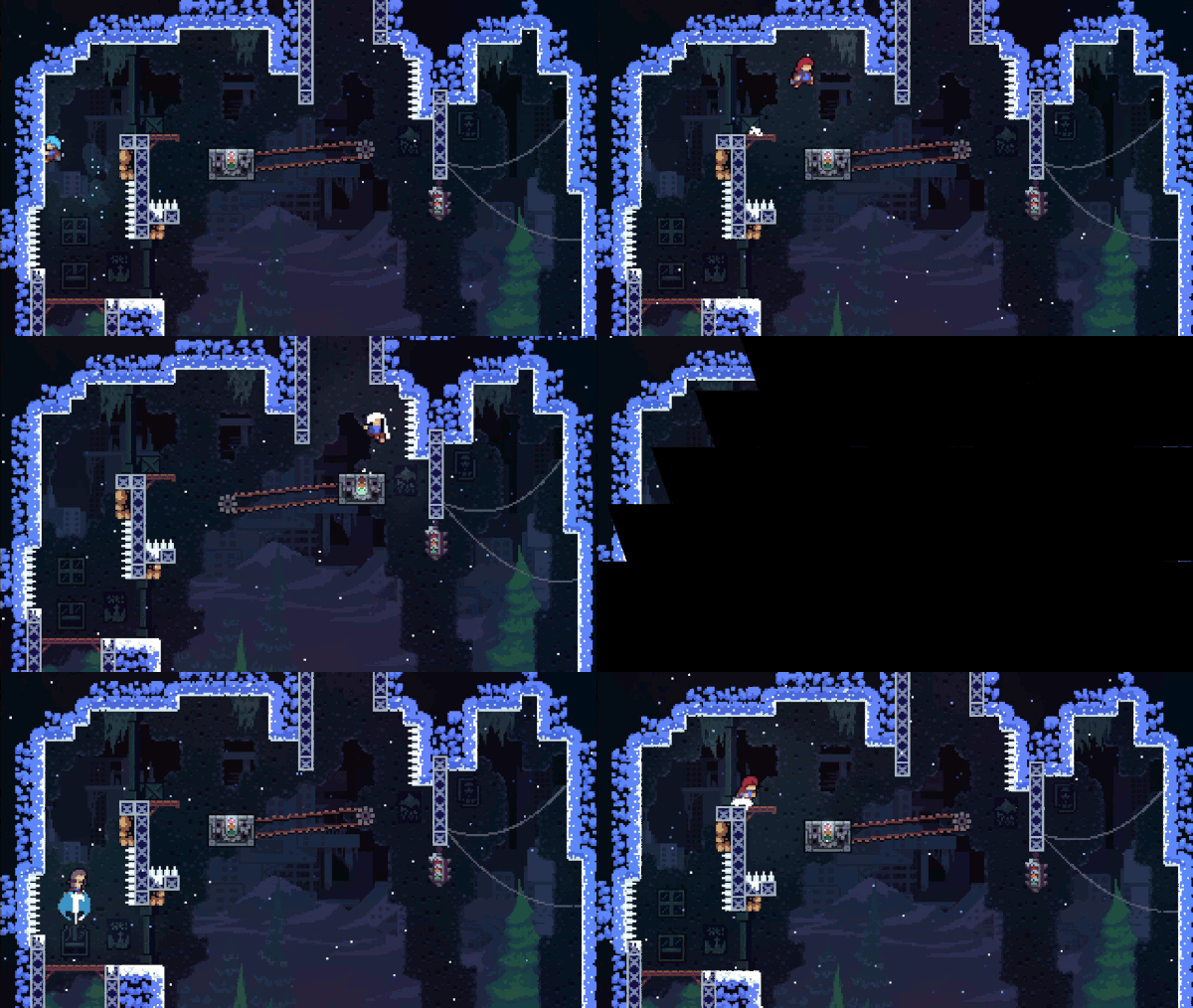
From the second chapter and on, Raine starts introducing more modern techniques of implementation into her music. Two of the most important ones are called horizontal re-sequencing and vertical re-orchestration. Both are fairly standard practices in modern game scoring.
Horizontal re-sequencing is a technique in which the composer just shifts between full musical cues in accordance to the gameplay, either by a transition cue —which, as its name implies, is just a short cue or stinger that serves to transition from one piece of music to the other— or just a crossfade effect. For vertical re-orchestration, the composer inserts their music as stems —that is, split into several tracks with different instrumental sections that, when pieced together, form the complete piece of music— so that the audio engine will procedurally add or subtract instruments or melodic lines as the player behaves to maintain a sense of dynamism in the score and to better tailor the music to the flow of the gameplay.
Both are employed liberally throughout Celeste with one purpose in mind: making the player feel a palpable sense of progression and forward momentum as they traverse through a chapter. Let’s take the “Old Site” chapter as an example of horizontal re-sequencing. In it, Madeline wakes up after falling asleep at the Memorial. She moves through the next rooms to the sounds of an arpeggiated figure on synths and the piano playing a localized melody for the chapter (covered by 0:00-2:12 of the track Resurrections). She eventually reaches a mirror, which Part of Me then shatters, triggering the activation of a number of special blocks spread through the level, which allow Madeline to dash through them. For this small cutscene, the loop fades into a transition cue that hints at Part of Me’s theme on piano, which leads into an explosion of synths that immediately give way to an upgraded version of the previous loop (2:12-4:26 on that same track), with a complete drum line and more resolute performances of the piano and synth lines. On the album, Raine splices the two cues together without the transition stinger for better musical effect.

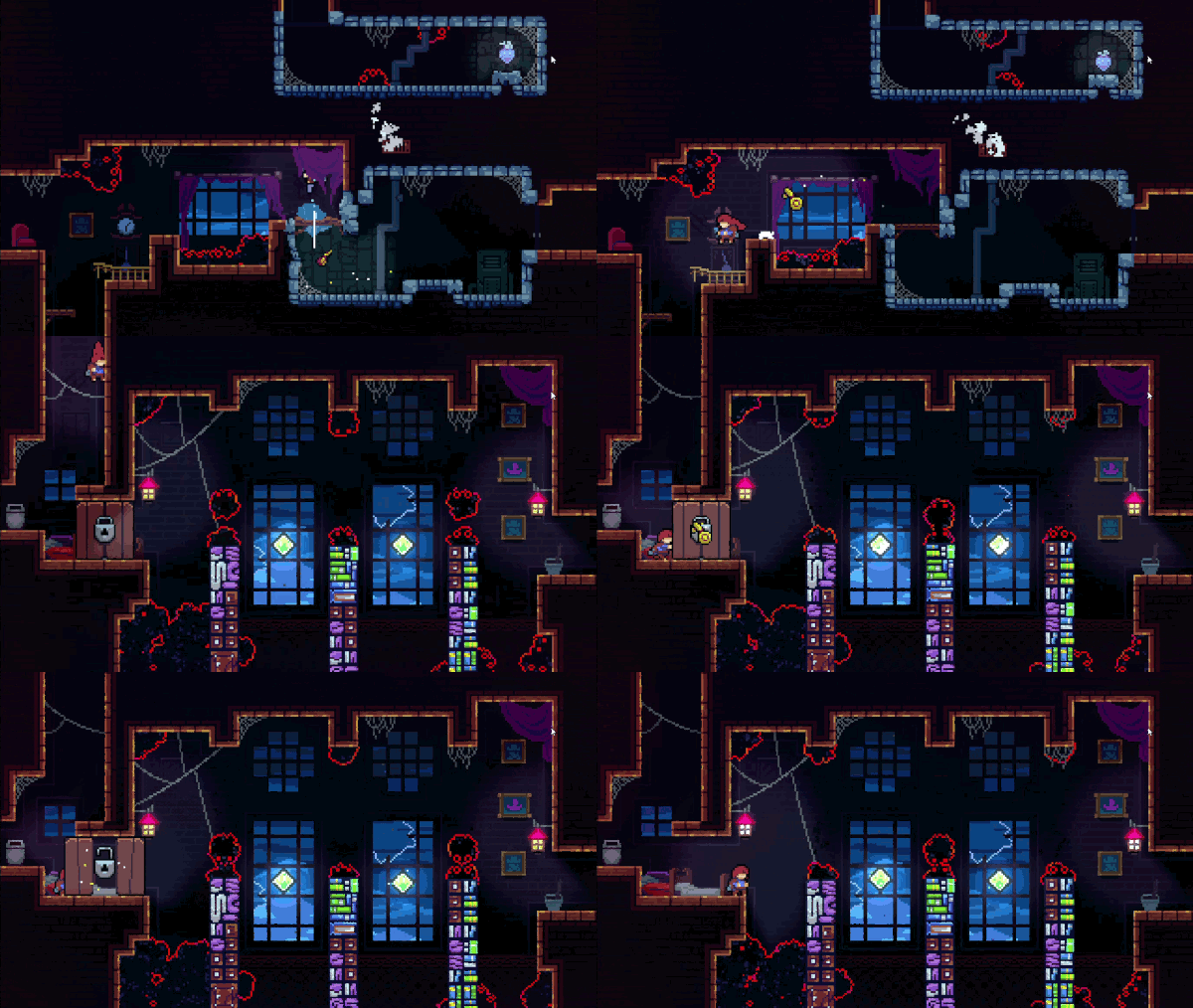
The best example of vertical re-orchestration in the game can be found during the first half of the “Celestial Resort” chapter. Madeline traverses a seemingly abandoned and rotting hotel resort on her way to the top of the mountain. She dashes and jumps her way through numerous rooms and, inch by inch, Raine comments on the progress that the player is making. The track on the album encompassing this section is actually laid out very much in the same way. On the album different instruments start popping in after a certain period on top of the localized three-note melody from the piano, building and building the instrumentation up until it becomes a full piece of music. These changes are triggered in-game by how far you are into the chapter. Every time you progress up to a certain point, the audio engine adds instrumental lines, like a prominent R&B beat, a long-lined melody on a high-pitched synth, and more and more musical components as Madeline heads deeper into the hotel. A particularly hilarious touch is that the engine is programmed to add a theremin to the mix whenever Madeline is in the vicinity of Mr. Oshiro, the hotel’s owner.
With these clever implementation techniques, the composer seeks to avoid what could otherwise become a very exasperating experience, because you could spend upwards to an hour on some chapters of the game, as was my experience during my first playthrough— though my experience may hardly be representative of anything, I’m just very bad at games.
It is also an intuitive upgrade of the traditional platforming formula for music, as both the developers with the game and Raine with her music recognize that there are areas in which modern technology can vastly benefit the experience.
Coming Together

Every system employed for implementation comes full circle during the game’s most triumphant sequence during the seventh chapter, “The Summit”, as Madeline climbs in a rush to the top of Mount Celeste after Part of Me had them both plunge into a deep chasm at the bottom of the mountain.
During this chapter-long sequence, she traverses through different areas of every chapter prior to that one, being propelled forward by Part of Me every step of the way, in what is meant to be a heart-pumping recapitulation of Madeline’s triumphs and failures throughout the game. As Raine smartly provided every chapter with its own instrumental identity, every single one of those musical identities comes roaring back during this chapter.
Reach for the Summit encapsulates the feeling perfectly. Listen for the 3:00 mark as the music triumphantly transitions from a loop reminiscent of First Steps to a rendition of Madeline’s theme wearing the guise of an arpeggiated cascade of echoing synths from “Old Site”, or how, when you reach the Hotel chapter-level, at 4:23 on the album, the music transitions to the theremin-like effects and the R&B beat reminiscent of that chapter’s music.
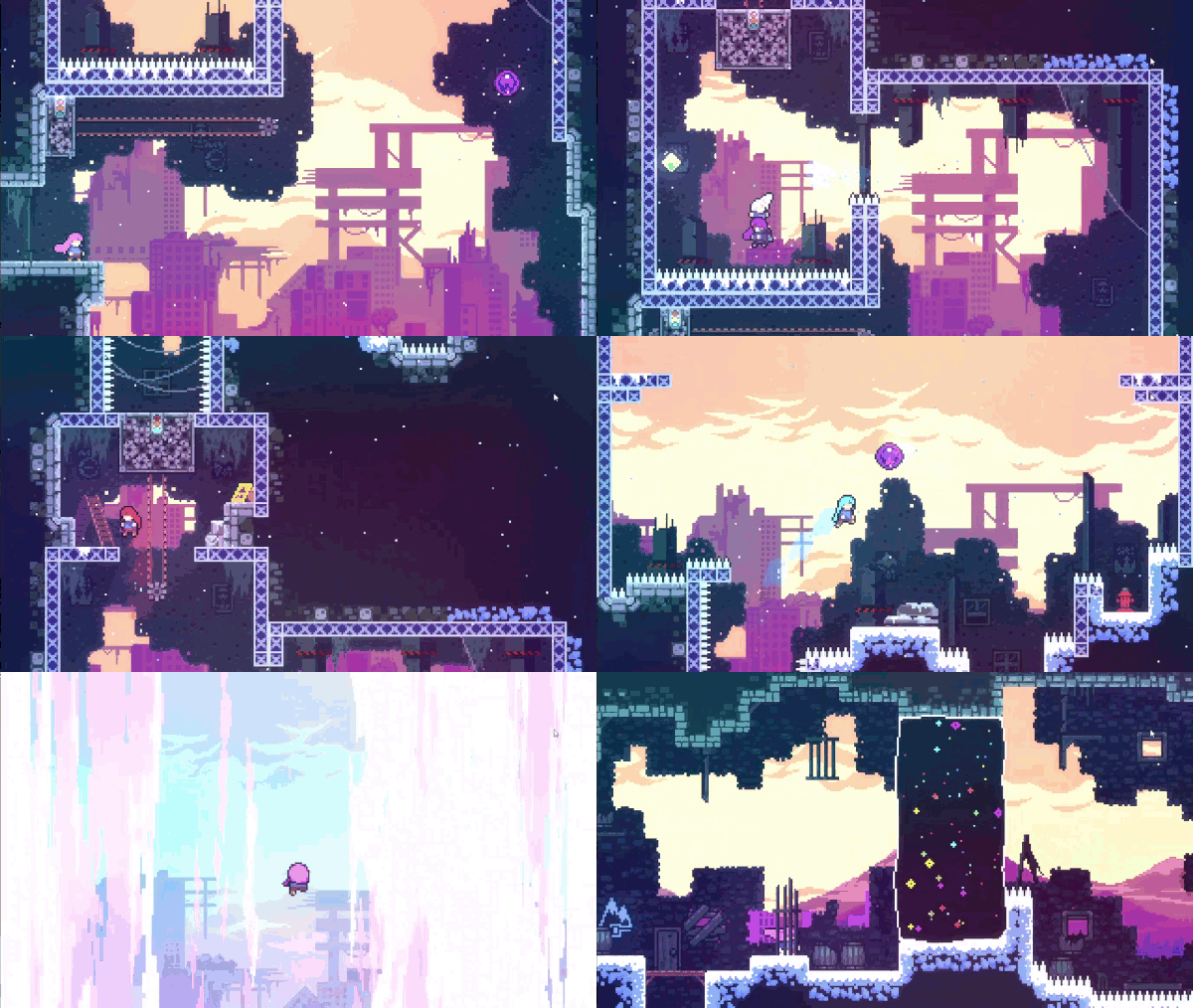
The score dies down and becomes more atmospheric and pensive as Madeline reaches the drearier areas of the middle-game chapters and, finally, reaches the point where Part of Me had them both fall to rock bottom. The music then restarts at the 8:00 mark for Madeline to, finally, continue her journey to the top.
The rush of adrenaline and excitement and hopefulness and utter resolve is palpable, and makes for one of the most visceral experiences I’ve ever had playing a platformer. Not in frustration or anger, but in sheer emotion at being near the end of a tortuous and difficult journey.
Everything during that sequence clicks: it’s the coming together of musical narrative, the merging of the instrumental sounds developed for each previous chapter, and clever, sensible implementation. All in service of the story of a woman on a journey to come to terms with herself.
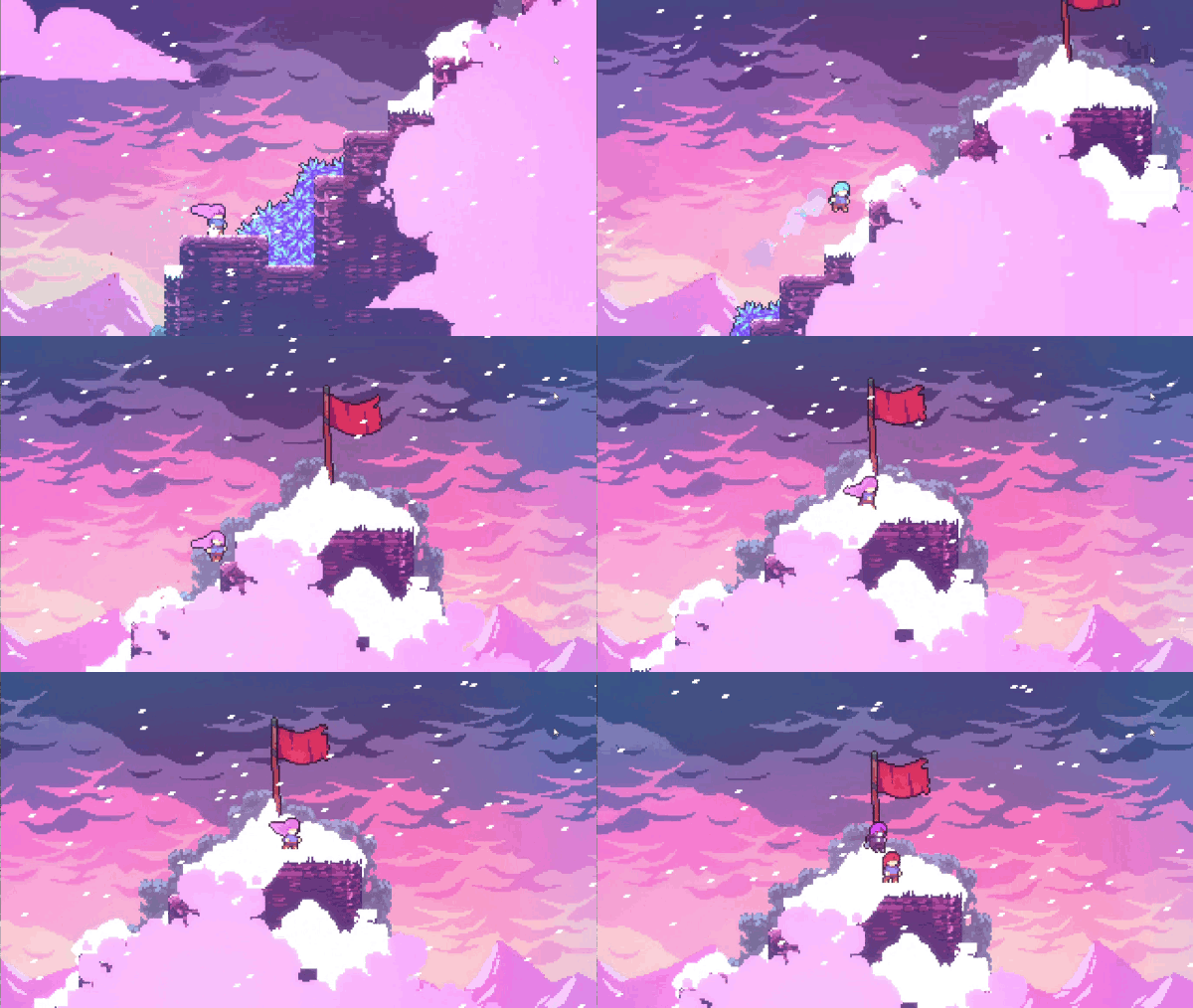
At last, Madeline reaches the top, and quietly, without making a fuss, the music fades as an echo into silence, being taken over by the ambiance of the mountain. The summit is peaceful. So is Madeline. She’s at peace with herself, with her life and with the other Part of Her.
Celeste isn’t revolutionary, but it is a fantastic score that understands what it should do for this particular game. It’s a score written by someone who truly grasps the fundamentals of video game storytelling and music implementation to help create an experience that aims to put the player in the shoes of its protagonist, creating a musical narrative filled with heart and emotion, just as adept at giving you an adrenaline rush as it is at tugging at your heartstrings. It’s also a score that pays respect and honors the giants of the past while standing firmly on the modern era of video game music. Lena Raine has created something magical here, and it’s something that should be championed for as long as we are able to.
CELESTE
Score written, performed and mastered by Lena Raine
Farewell DLC mastered by Dietrich Schoenemann
Featuring remixes by: Maxo, Ben Prunty, Christa Lee, in love with a ghost, 2 Mello, Jukio Kallio, Kuraine and Matthewせいじ
You can find the albums here!
Regular album: https://radicaldreamland.bandcamp.com/album/celeste-original-soundtrack
Farewell DLC: https://radicaldreamland.bandcamp.com/album/celeste-farewell-original-soundtrack
B-side remixes: https://radicaldreamland.bandcamp.com/album/celeste-b-sides
 Game Music Hub